Lower back pain refers to discomfort or pain occurring between the lowest rib and the gluteal fold. This pain can manifest as a dull, constant ache or a sudden, sharp sensation, and may also include tingling, muscular stiffness, and weakness. Lower back pain can range from acute, lasting a few weeks, to chronic, persisting for months.
Lower back pain is one of the most common musculoskeletal issues worldwide, affecting people of all ages and lifestyles. Whether it’s from prolonged sitting, heavy lifting, or an old injury that flares up now and then, lower back pain can be debilitating and interfere with your quality of life. But the good news is that you don’t have to live with chronic pain.
Understanding Lower Back Pain
The lower back, or lumbar spine, is a complex structure composed of bones, muscles, ligaments, nerves, and discs. It supports much of your body weight and is essential for nearly every movement you make, from bending and twisting to walking and standing.
Common causes of lower back pain include:
Muscle strains and sprains: Often from sudden movements or lifting something too heavy.
Disc injuries: Herniated or bulging discs can press on nerves, causing pain and discomfort.
Degenerative disc disease: Natural aging can lead to disc degeneration and chronic pain.
Sciatica: Compression of the sciatic nerve can cause radiating pain from the lower back down the leg.
Poor posture and weak core muscles: Sitting for long periods and not engaging core muscles can stress the spine.
Regardless of the cause, movement is often one of the best remedies and that’s where exercise physiology comes in.
Symptoms
The symptoms of lower back pain can vary depending on the underlying cause and severity of the condition. These can range from,
Dull aching pain: A continuous, mild to moderate pain in the lower back that may worsen with certain activities or prolonged sitting.
Sharp or stabbing pain: Sudden, intense pain that can be localized to a specific area or radiate to the legs.
Radiating pain: Pain that spreads from the lower back to the buttocks, thighs, or down one or both legs, often referred to as sciatica.
Muscle spasms or cramping: Involuntary muscle contractions in the lower back that can cause significant discomfort and restrict movement.
Stiffness: Reduced flexibility and difficulty moving the lower back, especially after prolonged inactivity or upon waking up.
Numbness or tingling: A sensation of pins and needles or loss of sensation in the lower back, buttocks, legs, or feet.
Weakness: Reduced strength in the legs or feet, which may indicate nerve involvement.
Difficulty standing or walking: Pain that intensifies when standing up or walking, potentially leading to changes in gait or posture.
Pain that worsens with movement: Increased discomfort with activities such as bending, lifting, twisting, or standing up from a seated position.
Reduced range of motion: Difficulty performing everyday activities due to restricted movement in the lower back.
How Exercise Physiology Helps with Lower Back Pain
Exercise physiologists are health professionals trained to prescribe exercise for injury management, chronic conditions, and overall health improvement. Unlike general fitness trainers, exercise physiologists understand the complexities of pain science, biomechanics, and rehabilitation, making them uniquely equipped to address lower back pain at its source.
Here’s how working with an exercise physiologist can help:
Individualised Assessment: We conduct a thorough assessment to understand your pain triggers, range of motion, strength, and lifestyle factors.
Tailored Exercise Programs: Based on the assessment, we design personalized programs that gradually build strength, improve mobility, and enhance posture.
Progressive Overload: We carefully increase the intensity and complexity of exercises over time, ensuring steady progress without aggravating symptoms.
Education and Pain Management: We teach you about pain mechanisms, proper movement techniques, and strategies to prevent future flare-ups.
Key Exercises for Lower Back Pain Relief
1. Core Strengthening
A strong and stable core helps support the spine, reduce excessive pressure on the lower back, and improve overall movement control. Core training is one of the most important foundations for managing and preventing lower back pain. Key exercises include:
- Pelvic Tilts: A gentle beginner exercise that teaches core activation and improves awareness of spinal positioning. This exercise helps reduce lower back stiffness and encourages movement through the pelvis and lumbar spine.
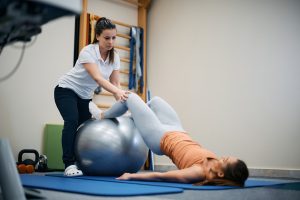
- Bridges: Bridges strengthen the glutes, hamstrings, and lower back muscles while improving hip stability. Strong glutes help reduce excessive load on the lumbar spine during walking, lifting, and standing tasks.
- Dead Bugs: Dead bugs are an excellent low-impact core stability exercise that strengthens deep abdominal muscles while maintaining spinal control and coordination.
- Bird-Dogs: Bird-dogs improve spinal stability, balance, and coordination by engaging the core, lower back, and hip muscles simultaneously. This exercise also encourages controlled movement and posture awareness.
- Modified Planks: Modified planks help build endurance through the abdominal and trunk muscles while improving spinal stability. Progressions can be adjusted depending on strength and pain levels.
- Side Planks: Side planks target the obliques, hips, and lateral trunk muscles, helping improve side-to-side stability and support for the lower back.
- Resistance Band Core Work: Exercises such as Pallof presses and anti-rotation holds help improve core control and trunk stability during movement and functional tasks.
2. Strengthening Exercises
Strengthening the muscles surrounding the hips, legs, and upper back is equally important in supporting the spine and reducing lower back strain. Weakness in surrounding muscle groups can often contribute to poor movement patterns and ongoing pain.
- Sit-to-Stands / Squats: These exercises strengthen the legs, glutes, and core while improving functional movement for everyday activities such as standing up from chairs and climbing stairs.
- Step-Ups: Step-ups improve lower limb strength, balance, and coordination while promoting hip stability and walking confidence.
- Resistance Band Rows: Rows strengthen the upper back and postural muscles, helping reduce rounded shoulders and excessive strain through the spine.
- Hip Hinges: Learning proper hip hinge mechanics teaches individuals how to bend and lift safely while reducing stress on the lower back.
- Glute Strengthening: Exercises such as clamshells, lateral band walks, and glute kickbacks improve pelvic stability and reduce compensation through the lumbar spine.
- Farmer Carries: Farmer carries improve trunk stability, grip strength, posture, and overall functional strength while encouraging upright movement patterns.
3. Mobility and Flexibility
Improving spinal and hip mobility can help reduce stiffness, improve movement efficiency, and relieve tension around the lower back.
- Cat-Cow Stretches: A gentle mobility exercise that promotes movement through the spine and helps reduce stiffness and tension.
- Child’s Pose: A restorative stretch for the lower back, hips, and shoulders that encourages relaxation and gentle spinal decompression.
- Hip Flexor Stretch: Tight hip flexors can place additional stress on the lower back and pelvis. Stretching this area can improve posture and reduce lumbar tension.
- Hamstring Stretching: Improving hamstring flexibility may help reduce pulling forces on the pelvis and lower back during movement.
- Thoracic Rotation Exercises: Mobility through the upper back helps reduce excessive compensation through the lumbar spine and improves overall movement patterns.
- Biomechanics and Movement Education: Understanding how to move correctly, brace the core, and hinge at the hips during daily activities can significantly reduce flare-ups and prevent future injury.
4. Postural and Stability Exercises
Posture and movement control play a major role in managing lower back pain. Improving postural strength can reduce unnecessary spinal stress and improve overall alignment.
- Wall Angels: Strengthen the upper back and improve shoulder mobility while encouraging better posture and spinal alignment.
- Chin Tucks: Help improve neck positioning and reduce forward head posture, which can influence overall spinal mechanics.
- Scapular Retraction Exercises: Strengthening the muscles around the shoulder blades can improve posture and reduce upper back and spinal strain.
- Balance and Stability Exercises: Exercises performed on unstable surfaces or in single-leg positions can improve coordination, balance, and overall body awareness.
The Role of Consistency and Progression
One of the most important aspects of lower back rehabilitation is gradual progression. Starting with appropriate exercises and slowly increasing resistance, repetitions, range of motion, or complexity allows the body to adapt safely over time.
Exercise should be:
- Individualised
- Progressive
- Monitored appropriately
- Focused on movement quality and confidence
Consistency is often more important than intensity, particularly during the early stages of rehabilitation.
Preventing Future Back Pain
Once your pain subsides, maintaining a regular exercise routine is crucial for long-term spinal health. Ongoing strength training, proper ergonomics at work, and regular movement breaks can all contribute to a pain-free lifestyle.
Additionally, exercise physiologists can provide periodic reassessments and updated programs to ensure you continue progressing and addressing any new challenges that arise.
It is recommended to incorporate a well balanced exercise routine that includes strength training, flexibility exercises, and aerobic activities, which can significantly reduce lower back pain and improve overall spinal health. It is important to consult with an Exercise Physiologist to develop a safe and effective exercise plan tailored to your specific needs and conditions.
Get Back To Moving With Confidence
At JY Exercise Physiology, i’m passionate about helping people reclaim their lives from pain. Our approach is holistic, we don’t just treat the symptoms; we target the root cause of your discomfort and empower you with the knowledge and skills to maintain your results.
Evidence Based Practices: We stay up to date with the latest research to deliver the most effective treatments.
Personalised Care: No cookie-cutter programs, every plan is tailored to your unique needs and goals.
Support and Accountability: We’re with you every step of the way, providing encouragement, adjustments, and expert advice.
Whether you’ve been struggling with lower back pain for years or have recently developed discomfort, we’re here to help you build a healthier, stronger body so you can live life to the fullest.
At JY Exercise Physiology in Upper Mount Gravatt, Brisbane South, we specialise in evidence-based exercise programs for injury rehabilitation, chronic pain management, and general wellness for all ages and abilities. Whether you have been dealing with lower back pain for weeks or years, we are here to help you get back to doing what you love.
 147 Lumley Street, Upper Mount Gravatt QLD 4122, also offering home visits across Brisbane South including Sunnybank, MacGregor, Wishart, Runcorn, Eight Mile Plains and Surrounding areas.
https://jyexercisephysiology.com/tailored-exercise-programs/
 Call or text: 0421 967 711
 Email: admin@jyexercisephysiology.com
Medicare CDM, NDIS, DVA, WorkCover QLD, Private Health and Other Insurances accepted. No referral required for private clients.