Arthritis can be a limiting factor but luckily it can be managed with an Exercise Physiologist.
If you’ve been told you have arthritis, chances are you’ve also been told to “be careful,” “take it easy,” or “avoid wearing the joint out.”
Here’s the truth:
At JY Exercise Physiology in Upper Mount Gravatt, many of our clients come in worried that movement will damage their joints. In reality, targeted, tailored exercise is what helps reduce pain, improve mobility, and slow the progression of arthritis.
Let’s break down what actually helps and what to avoid.
What Is Arthritis ?
Arthritis simply means joint inflammation. The most common type we see is osteoarthritis, which involves:
Common areas include the knees, hips, lower back, hands, and shoulders.
Arthritis is not just “wear and tear.” It’s strongly linked to:
Why Rest Makes Arthritis Worse
When a joint is painful, the natural instinct is to rest.
But rest leads to:
This creates the classic arthritis cycle:
Pain → Rest → Weakness → More Pain
Exercise breaks this cycle.
What Exercise Helps Arthritis ?
The goal is not high-impact fitness. The goal is joint support, strength, and movement confidence.
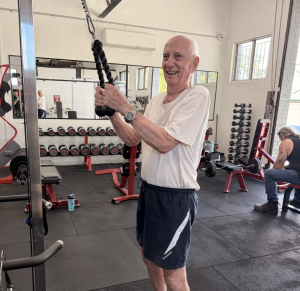
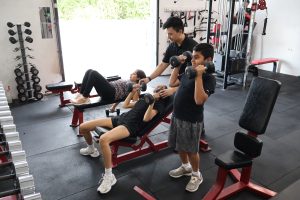
Strength Training (Most Important). Strong muscles act like shock absorbers for your joints. Research consistently shows that strength training reduces arthritis pain more effectively than medication alone.
Key areas:
Low-Impact Cardio. Improves joint nutrition and reduces stiffness:
Movement helps “lubricate” the joint.
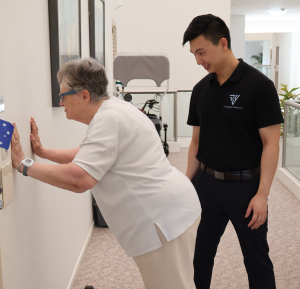
Mobility and Range of Motion Work. Gentle, controlled movement keeps joints from stiffening:
Balance and Coordination. Often overlooked, but essential for confidence and fall prevention.
What Exercises to Avoid (Early On)
This is where many people go wrong.
High-impact activities when strength is low
Deep, uncontrolled joint loading
Long periods of inactivity. This stiffens joints more than movement does.
Pushing through sharp joint pain. Muscle discomfort is okay. Joint pain is not.
The Difference Between “Good Pain” and “Bad Pain”
With arthritis, some discomfort with exercise is normal.
Good signs:
Warning signs:
This is why exercise must be tailored.
Why Generic Exercise Programs Don’t Work for Arthritis
You’ve probably tried:
And found they flare up your joints.
That’s because arthritis requires:
This is exactly what an Exercise Physiologist does.
Can Exercise Slow Arthritis Progression ?
Yes. Stronger muscles reduce joint compression and improve how forces travel through the joint. This can significantly slow the functional decline associated with arthritis.
You may still have arthritis on a scan but you won’t feel it the same way.
Need Help Finding the Right Cardio for Your Joints ?
Arthritis doesn’t mean you should stop moving. It means you need to move smarter.
The right exercise can:
At JY Exercise Physiology in Upper Mount Gravatt, I specialise in tailored exercise programs for people with:
You don’t have to “live with it.” You can move better, with less pain.
At JY Exercise Physiology in Upper Mount Gravatt, Brisbane South, we specialise in evidence-based exercise programs to help manage those aches and pains. Whether you have been dealing with joint pain or arthritis for weeks or years, we are here to help you get back to doing what you love.
 147 Lumley Street, Upper Mount Gravatt QLD 4122, also offering home visits across Brisbane South including Sunnybank, MacGregor, Wishart, Runcorn, Eight Mile Plains and surrounding areas.
 Call or text: 0421 967 711
 Email: admin@jyexercisephysiology.com
Medicare CDM, NDIS, DVA, WorkCover QLD, Private Health and Other Insurances accepted. No referral required for private clients.