How Injury Rehabilitation with an Exercise Physiologist Gets You Moving Again
Injuries can interrupt work, sport and everyday life. However, rest alone rarely solves the problem. Effective injury rehabilitation restores movement, rebuilds strength and lowers the risk of re-injury. Because every injury differs, an accredited exercise physiologist (AEP) guides you through each stage.
What Is an Exercise Physiologist ?
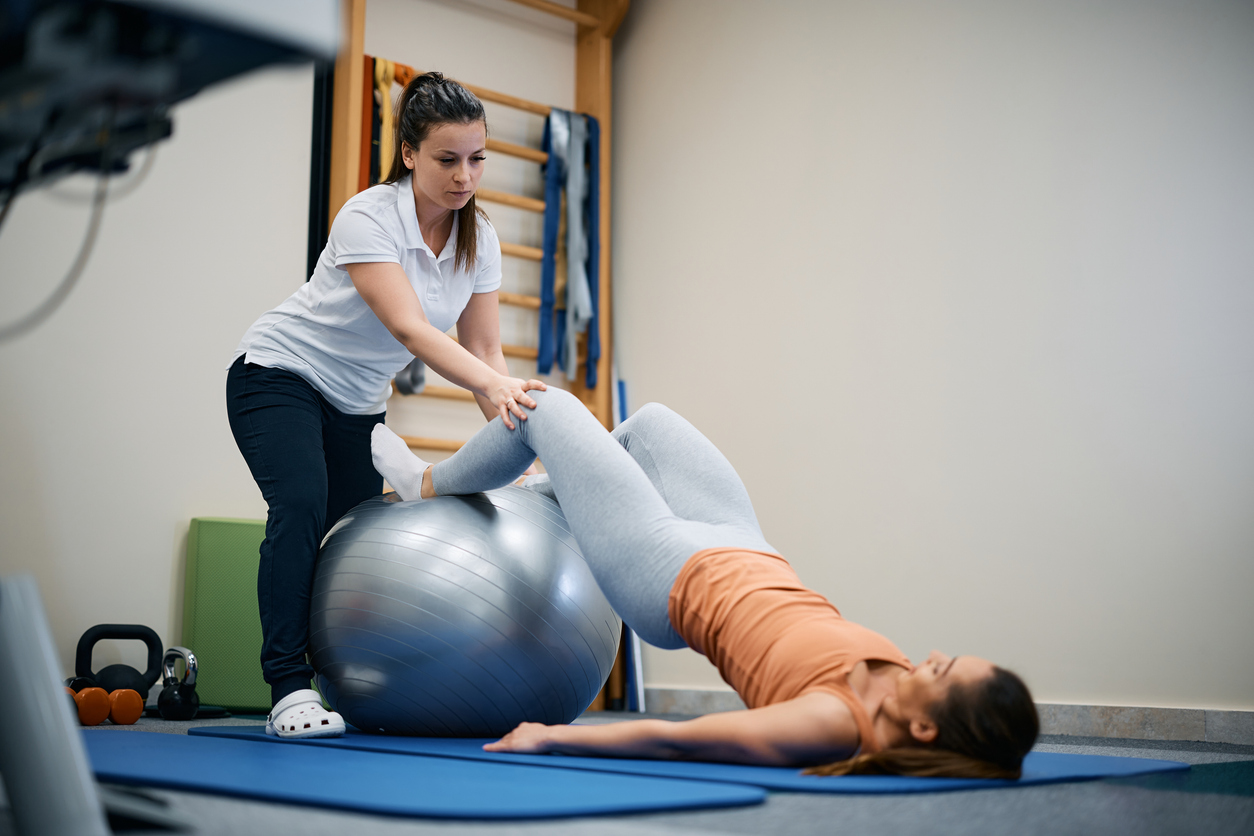
An exercise physiologist is a university-qualified allied health professional. They use exercise as medicine to treat injuries, manage pain and improve function. In addition, they design programs around your body, your goals and your lifestyle.
Why Injury Rehabilitation Matters
Many people stop moving after an injury. However, prolonged rest often causes muscle loss, stiffness and weaker joints. As a result, the original problem can return, or a new one can appear.
Structured injury rehabilitation breaks this cycle. First, it increases load gradually, so healing tissue adapts without strain. Also, your body relearns how to move well.
What Happens During Your First Session
First, your exercise physiologist reviews your injury history, symptoms and daily demands. Next, they assess your movement, strength, balance and flexibility. These findings reveal weak links and compensation patterns.
Then you set clear goals together. For example, you might want to lift your child without pain, return to running or finish a full shift comfortably. Your program builds around those goals.
The Stages of Injury Rehabilitation
Most programs follow four stages, and each one builds on the last.
- Protect and settle: Gentle, safe movement calms your pain.
- Restore mobility: Targeted stretches and drills bring back your range of motion.
- Rebuild strength: Progressive resistance exercises strengthen your muscles and supporting tissues.
- Return to activity: You practise sport-specific or work-specific tasks until you feel confident.
Your exercise physiologist reviews your progress regularly. Therefore, your exercises change as your body improves.
Common Injuries We Help With
An exercise physiologist can support recovery from many conditions, including:
- Muscle strains and ligament sprains
- Tendon problems such as tennis elbow
- Shoulder, knee and ankle injuries
- Post-surgical recovery
- Work-related injuries
Benefits of Exercise-Based Rehabilitation
Exercise-based care offers several advantages. For instance, pain often decreases as strength and movement improve. Furthermore, balance and coordination improve, which lowers the risk of falls and repeat injuries.
Confidence matters too. Many people fear that movement will cause harm. However, under expert supervision, that fear fades and trust in your body returns.
At JY Exercise Physiology in Upper Mount Gravatt, Brisbane South, we specialise in evidence-based exercise programs for injury rehabilitation, chronic pain management, and general health & wellness for all ages and abilities. Whether you have been dealing with knee pain for years or unsure on what exercises are correct, we are here to help you get started.
 147 Lumley Street, Upper Mount Gravatt QLD 4122, also offering home visits across Brisbane South including Sunnybank, MacGregor, Wishart, Runcorn, Eight Mile Plains and Surrounding areas.
 Call or text: 0421 967 711
 Email: admin@jyexercisephysiology.com
Learn more here: Injury Rehabilitation
Medicare CDM, NDIS, DVA, WorkCover QLD, Private Health and Other Insurances accepted. No referral required for private clients.