Recover Faster from a Sport Injury with an Exercise Physiologist
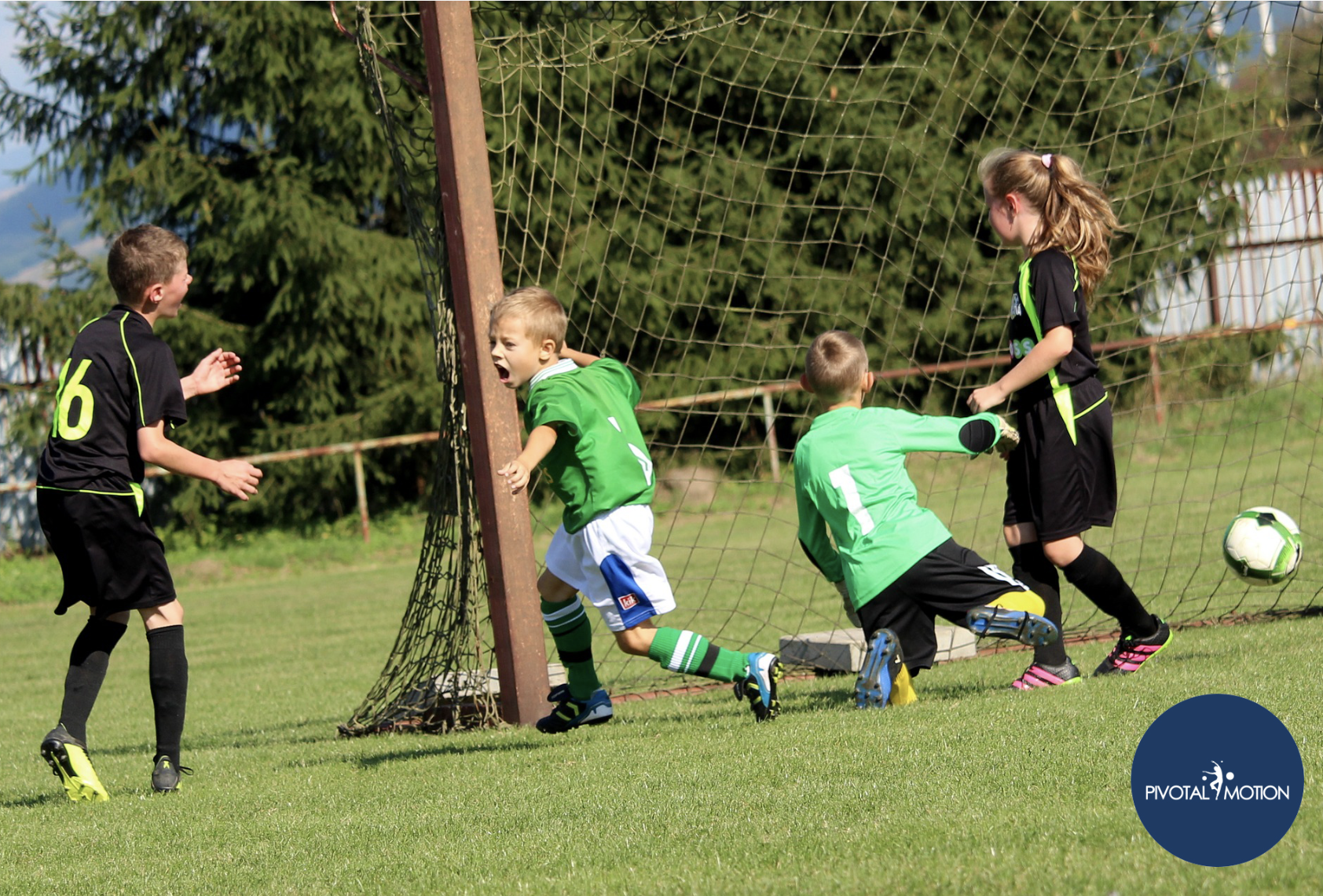
A sports injury can be frustrating. Training stops, teammates play on and your fitness slips away. Fortunately, the right plan can shorten the road back. An exercise physiologist guides your recovery with evidence-based exercise and clear milestones.
Why a Sport Injury Needs Specific Care
Athletes place unique demands on their bodies. Running, jumping, throwing and tackling all require strength, speed and control. Therefore, general rest rarely does enough.
A sports injury also affects more than one area. For example, a sprained ankle can weaken the hip and change how the knee moves. If you ignore those changes, they often cause new problems.
Common Sport Injuries
Some injuries appear again and again across sports. These include:
- Hamstring and calf strains
- Ankle sprains
- ACL and meniscus injuries
- Shoulder instability and rotator cuff problems
- Tendinopathies, such as Achilles or patellar tendon pain
Each of these responds well to structured, progressive exercise.
How an Exercise Physiologist Speeds Up Recovery
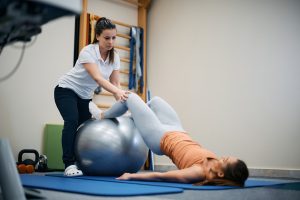
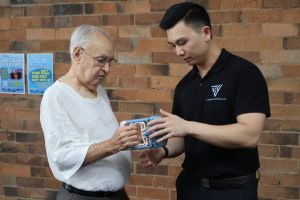
First, your exercise physiologist assesses your injury in detail. They test strength, flexibility, balance and movement quality on both sides of your body. As a result, they spot deficits early.
Next, they create a progressive plan. Early sessions restore comfortable movement. Later, you rebuild strength and power, and you add sport-specific drills. Consequently, healing tissue meets the right load at the right pace, which is neither too fast nor too slow.
Keep Your Fitness While You Heal
Many athletes worry about losing condition. However, an injured area rarely stops you from training everything else. You can often continue upper-body, core and cardio sessions safely. This approach keeps your fitness up and your mood positive.
Return to Play: How Do You Know You’re Ready ?
Returning too early causes many re-injuries. For that reason, you should measure readiness rather than guess. Your exercise physiologist can use objective tests, such as strength comparisons, hop tests and sprint drills.
Confidence counts as well. When you can perform sport movements without hesitation or pain, you are far more likely to stay on the field.
Prevent the Next Sport Injury
Prevention is the final piece. A good program targets:
- Strength imbalances
- Landing and cutting technique
- Training load and recovery
- Mobility restrictions
Regular maintenance sessions keep these areas in check throughout the season.
Get Back to the Sport You Love
Every athlete heals differently, so personalised care makes a real difference. Contact JY Exercise Physiology to book your assessment. Together, we will build a plan that helps you recover faster and return stronger.
At JY Exercise Physiology in Upper Mount Gravatt, Brisbane South, we specialise in evidence-based exercise programs for injury rehabilitation, chronic pain management, and general workplace wellness for all ages and abilities. Whether you have been dealing with knee pain for weeks or years, we are here to help you get back to doing what you love.
 147 Lumley Street, Upper Mount Gravatt QLD 4122, also offering home visits across Brisbane South including Sunnybank, MacGregor, Wishart, Runcorn, Eight Mile Plains and Surrounding areas.
 Call or text: 0421 967 711
 Email: admin@jyexercisephysiology.com
Learn more here: Tailored Exercise Programs
Medicare CDM, NDIS, DVA, WorkCover QLD, Private Health and Other Insurances accepted. No referral required for private clients.