Chronic diseases like heart disease, diabetes, respiratory conditions, and arthritis are among the most common and costly health issues facing Australians today. These long-term conditions don’t just affect physical health they can impact emotional wellbeing, daily function, independence, and quality of life. But there’s strong scientific evidence that exercise is medicine, particularly when it’s prescribed and supervised by an expert. That’s where Accredited Exercise Physiologists (AEPs) come in.
At JY Exercise Physiology in Brisbane, we specialise in chronic disease management using tailored, evidence-based exercise programs designed to improve your health outcomes sustainably. This blog explores the science behind exercise physiology and how it can help manage chronic diseases with long-term benefits.
What Is Exercise Physiology ?
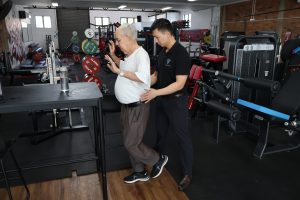
Exercise Physiology is a specialised branch of allied health focused on how the body responds to physical activity. AEPs are university-qualified health professionals trained to use exercise as a therapeutic tool rather than just general fitness guidance. They assess your health, design personalised exercise programs, monitor progress, and adjust interventions based on your needs and goals.
Unlike traditional gym training, clinical exercise physiology integrates medical understanding with movement science, making it ideal for people with chronic health conditions. AEPs work in hospitals, rehabilitation centres, private clinics, aged care facilities, and community health settings to support patients across all stages of health and disease.
Why Exercise Matters for Chronic Disease Management
Evidence shows that structured exercise can:
Improve heart health and circulation
Enhance blood glucose control
Reduce pain and stiffness
Boost muscle strength and mobility
Support mental health and emotional wellbeing
Promote weight management and metabolic balance
Improve quality of life and independence
In other words: exercise doesn’t just support fitness it can slow disease progression, reduce symptoms, prevent complications, and enhance overall wellbeing.
How Exercise Physiology Helps Specific Chronic Conditions
Perform this routine every 60–90 minutes. No equipment needed.
1. Cardiovascular Disease (Heart Health)
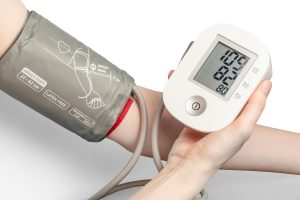
Exercise strengthens the heart, improves circulation, and reduces blood pressure and cholesterol levels. Even short bursts of activity throughout the day such as stairs or brisk walking have been linked to a lower risk of cardiovascular events.
Exercise Physiologists tailor cardiovascular training to be safe and effective based on your current health status, ensuring improvements in heart function without undue risk.
2. Diabetes and Metabolic Disorders
Exercise helps the body use insulin more efficiently, improves blood glucose control, and supports weight management — all key components of managing type 2 diabetes and metabolic syndrome. AEP-prescribed programs balance aerobic, strengthening, and functional exercises aimed at long-term metabolic health.
3. Musculoskeletal Conditions (Arthritis, Osteoporosis, Chronic Pain)
Structured exercise is one of the most effective ways to reduce joint pain, strengthen supporting muscles, improve flexibility, and enhance functional mobility. AEPs also focus on preserving bone health and preventing falls through balance and strength training.
4. Respiratory Conditions (COPD, Asthma)
Exercise training particularly controlled aerobic programs, improves lung capacity, reduces breathlessness, and enhances overall endurance. Research shows exercise training significantly improves exercise capacity and quality of life in people living with chronic respiratory conditions.
5. Neurological and Mental Health Conditions
Exercise can improve balance, coordination, and motor control for people with neurological conditions like Parkinson’s and multiple sclerosis. It also helps reduce symptoms of anxiety and depression while supporting better sleep quality and emotional resilience.
Science-Based Approach
Comprehensive Assessment
Before prescribing any program, AEPs conduct a detailed evaluation of your medical history, functional capacity, and personal goals. This ensures that every exercise is safe and medically appropriate.
Individualised Exercise Prescription
There is no “one-size-fits-all” approach. Exercise programs are tailored to your condition, strengths, limitations, and lifestyle, which improves adherence and long-term success.
Ongoing Monitoring and Adjustments
As your health changes for better or worse AEPs continuously adjust your program to ensure progress and prevent injury. This personalised tracking is key for chronic disease management.
Education and Empowerment
AEPs don’t just tell you what to do they educate you on why each exercise matters, how movement affects your condition, and how to make healthy lifestyle changes that stick.
Holistic Benefits of Exercise Physiology
Beyond physical health, exercise physiology offers:
✔ Improved mental wellbeing and self-confidence
✔ Reduced reliance on medications through improved function
✔ Greater independence and daily activity performance
✔ Lower long-term healthcare costs through prevention
✔ Enhanced ability to work, play, and live life fully
Manage Your Health Conditions Nows
Don’t let chronic disease control your life. With the right exercise prescription, consistent support, and a science-based approach, you can manage symptoms, improve function, and enjoy a higher quality of life.
At JY Exercise Physiology in Upper Mount Gravatt, Brisbane South, we specialise in evidence-based exercise programs for injury rehabilitation, chronic disease management, and active ageing for all ages and abilities. Whether you’re living with diabetes, heart disease, arthritis, osteoporosis, respiratory conditions, or other long-term health conditions, we’ll create a personalised exercise program to help you improve your health, manage symptoms, increase strength, and maintain your independence.
 147 Lumley Street, Upper Mount Gravatt QLD 4122, also offering home visits across Brisbane South including Sunnybank, MacGregor, Wishart, Runcorn, Eight Mile Plains and Surrounding areas.
 Call or text: 0421 967 711
 Email: admin@jyexercisephysiology.com
Medicare CDM, NDIS, DVA, WorkCover QLD, Private Health and Other Insurances accepted. No referral required for private clients.