What is Bone Mineral Density ?
Bone mineral density refers to the amount of mineral content, primarily calcium and phosphorus, present in your bones. This measurement reflects the strength and density of your bones, the higher your BMD, the stronger your bones are. BMD is typically measured using a DEXA scan, which provides a clear assessment of bone health. To find out more about Osteoporosis, click here.
Maintaining strong and healthy bones is essential for long-term well-being and overall mobility. Bone mineral density (BMD) plays a crucial role in determining the strength of your bones and their ability to withstand fractures and breaks. As we age, our bones naturally lose density, which can increase the risk of osteoporosis, fractures, and decreased quality of life. However, with the right exercise program and professional guidance from an Accredited Exercise Physiologist, you can take proactive steps to preserve and even improve your bone health.
In this comprehensive guide, we’ll explore the significance of bone mineral density, the risk factors for low BMD, and how targeted exercise interventions can promote stronger, healthier bones.
Why is Bone Mineral Density Important ?
Your bones act as the structural foundation of your body, protecting vital organs, supporting movement, and storing essential minerals. When bone density decreases, your bones become more porous and fragile, making them more susceptible to fractures, even from minor falls or injuries.
Maintaining optimal BMD is particularly important for preventing conditions such as:
Osteoporosis: A condition where bones become brittle and prone to fractures.
Osteopenia: A precursor to osteoporosis, characterized by lower-than-normal bone density.
Fractures and breaks: Especially in weight-bearing bones like the hips, spine, and wrists.
Loss of mobility: Weak bones can compromise balance, stability, and overall mobility, affecting independence and quality of life.
Risk Factors for Low Bone Mineral Density
Several factors can contribute to declining BMD, including:
Age: Bone density naturally decreases with age, particularly after 50.
Gender: Women, especially post-menopause, are at a higher risk due to lower estrogen levels.
Lifestyle factors: Sedentary behaviour, smoking, excessive alcohol consumption, and poor nutrition.
Medical conditions: Certain health issues, like rheumatoid arthritis, thyroid disorders, and gastrointestinal diseases, can impact bone health.
Medications: Long-term use of corticosteroids and some other medications can weaken bones.
The good news is that many of these risk factors can be mitigated through targeted exercise and lifestyle modifications, that’s where an Exercise Physiologist comes in.
How Exercise Physiology Supports Bone Health
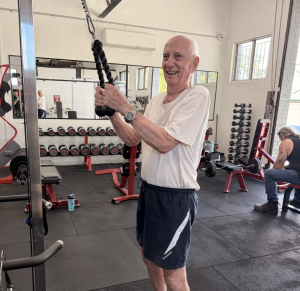
Exercise is one of the most effective ways to build and maintain bone density. When bones are subjected to stress through weight bearing and resistance exercises, they respond by increasing in density and strength. An Exercise Physiologist can design a safe, evidence-based program tailored to your needs, helping you maximise bone health while considering any underlying conditions or limitations.
Here are some key exercise strategies to improve BMD:
1. Resistance Training:
Resistance training, also known as strength training, involves exercises that use resistance to build muscle strength and bone density. This can include bodyweight exercises, resistance bands, or weightlifting. By challenging your muscles, resistance training stimulates bone growth and slows down bone loss.
Examples:
2. Weight Bearing Exercises:
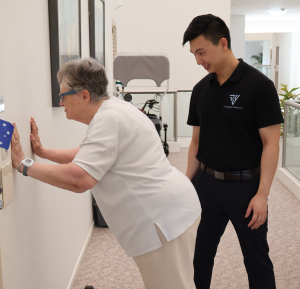
Weight-bearing exercises require you to work against gravity while staying upright, which puts beneficial stress on your bones and encourages bone formation.
Examples:
3. Balance and Stability Training:
Improving balance and coordination reduces the risk of falls, a common cause of fractures in people with low BMD.
Examples:
4. Impact-Based Activities (if suitable):
High-impact activities can promote bone density by delivering short, sharp stresses to the bones.
Examples:
Causes of Low Bone Mineral Density
Medical History, being diagnosed with other health conditions, endocrine disorder, gastrointestinal disorder, autoimmune disorder, and chronic kidney disease.
Failure to reach peak bone mass, individual bone density does not reach its maximum potential during the growth and development years of childhood and adolescence, increasing likelihood of osteoporosis.
Low calcium and vitamin D intake can cause inadequate essential nutrients for bone health, leading to weaker bones.
Change in hormones (Low Estrogen or Testosterone) Hormonal imbalances, such as decreased estrogen in women and testosterone in men, can accelerate bone loss.
Family history, a genetic trait predispose your to lower bone mineral density (osteoporosis)
Smaller frame/ body size is associated with lower bone density and increased risk of osteoporosis.
Aging and impact bone density naturally. This occurs more rapidly in women after menopause due to decreased estrogen levels.
Gender (Women are more prone)
Low physical activity patterns and weight-bearing exercises can contribute to bone loss.
High alcohol consumption can interfere with the body’s ability to absorb calcium, leading to bone loss.
Smoking can decrease bone density and interfere with the absorption of calcium and lead to other health conditions.
Recommended Exercise Dosage Across the Week for Bone Health
Note: Nutrient-rich foods with a consistent exercise routine work effectively in maintaining healthy bone mineral density. Calcium and vitamin D supplements can provide additional support to bone health.
Physical activity has proven to be an effective means to prevent and stimulate bone growth in osteoporotic individuals. It is recommended to incorporate a combination of weight bearing, resistance training, and balance into your weekly routine to increase your bone mineral density.
Take Charge of Your Bone Health Today
Your bone health is within your control. By incorporating targeted exercise, proper nutrition, and ongoing support from an Accredited Exercise Physiologist, you can build stronger bones, reduce the risk of fractures, and enjoy a more active, independent life.
At JY Exercise Physiology in Upper Mount Gravatt, Brisbane South, we specialise in evidence-based exercise programs building bone mineral density and preventing osteoporosis for all ages and abilities.
 147 Lumley Street, Upper Mount Gravatt QLD 4122, also offering home visits across Brisbane South including Sunnybank, MacGregor, Wishart, Runcorn, Eight Mile Plains and Surrounding areas.
 Call or text: 0421 967 711
 Email: admin@jyexercisephysiology.com
Medicare CDM, NDIS, DVA, WorkCover QLD, Private Health and Other Insurances accepted. No referral required for private clients.