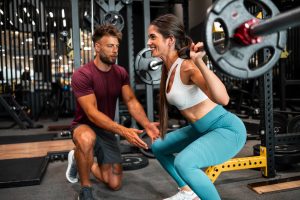
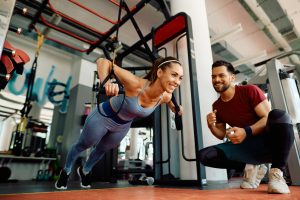
Avoid knee pain with a tailored exercise program.
Knee pain is one of the most common reasons people reduce activity, stop exercising, or feel hesitant to move.
It might begin as a mild ache when walking downstairs, getting out of a chair, running, kneeling, or squatting and over time turn into something that affects your confidence and daily life.
At JY Exercise Physiology, knee pain is one of the most frequent conditions I help people manage from teenagers with sports injuries, to adults returning to exercise, to older adults managing knee arthritis and wanting to stay independent.
The encouraging part ? Most knee pain responds very well to the right exercise approach.
Not rest. Not avoiding movement. But targeted, progressive strengthening guided by an Accredited Exercise Physiologist.
Understanding How the Knee Works
The knee is a hinge joint designed to bend and straighten, but it relies heavily on surrounding muscles for support.
These include:
If these muscles are weak, poorly coordinated, or fatigued, the knee joint absorbs more stress than it should.
Over time, this leads to irritation, pain, and reduced tolerance to everyday movements.
This is why knee pain is usually a load tolerance problem, not simply a “wear and tear” problem.
Common Causes of Knee Pain
At our Upper Mount Gravatt exercise physiology clinic, I often see knee pain linked to:
Sudden increases in walking, running, or exercise
Weak quadriceps and glutes
Poor calf strength
Reduced ankle mobility
Previous knee injuries
Long periods of sitting
Poor load management
Osteoarthritis and age-related joint changes
The knee is often the victim of problems coming from the hip and ankle.
Common Types of Knee Pain
- Patellofemoral Pain (Runner’s Knee) -Pain around or behind the kneecap. Worse with stairs, hills, squatting, and prolonged sitting.
Patellar Tendinopathy – Pain just below the kneecap. Common in runners, jumping sports, and active adults.
Knee Osteoarthritis – Stiffness, swelling, and pain that improves with gentle movement and worsens with inactivity.
ITB-Related Knee Pain -Pain on the outside of the knee, often in runners and cyclists.
Post-Surgery or Post-Injury Weakness – Pain caused by long-term weakness and reduced confidence in the joint.
The Biggest Mistake People Make with Knee Pain
When the knee hurts, many people:
Stop exercising
Avoid stairs and hills
Stop bending the knee
Rest completely
This leads to muscle loss and reduced joint support.
The next time you move, the knee is under even more stress.
The knee needs graded exposure to load, not avoidance.
Why Strength Training Is the Best Treatment
Research consistently shows that progressive resistance training is the most effective treatment for most knee conditions, including knee arthritis.
Strength training:
Reduces pain
Improves walking and stair tolerance
Improves joint stability
Restores confidence in movement
Improves long-term joint health
This is the core of what we do as Exercise Physiologists.
The Best Exercises for Knee Pain
These exercises are commonly prescribed and progressed carefully:
Sit-to-Stand (Chair Squats) – Improves quad and glute strength safely.
Step-Ups – Mimics stairs and builds knee control.
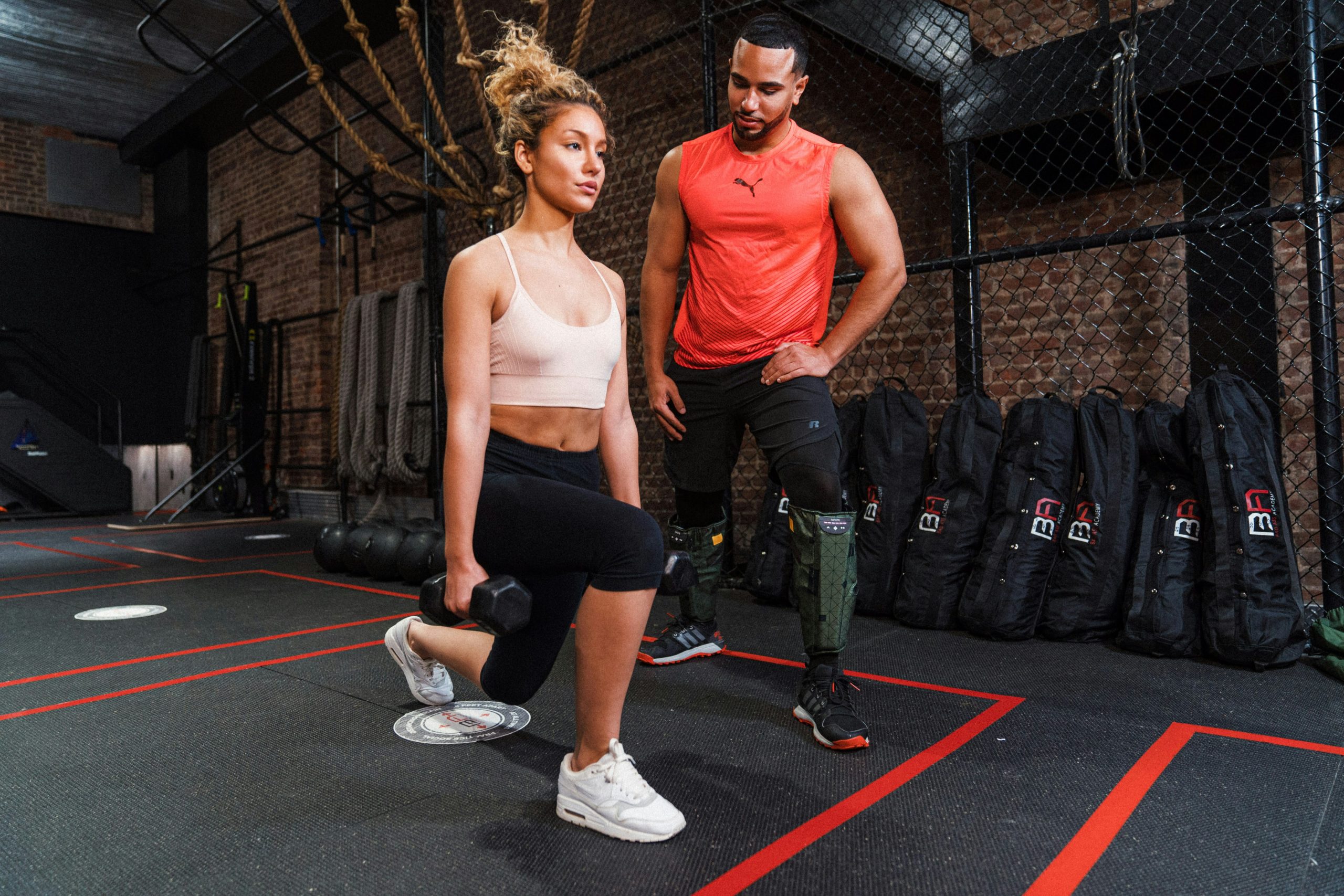
Split Squats – Strengthens each leg individually and improves alignment.
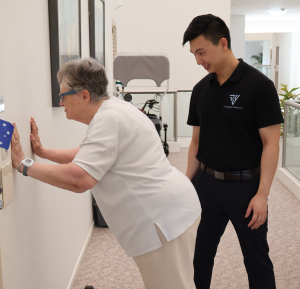
Wall Sits – Builds quad endurance with low joint irritation.
Calf Raises – Reduces force transferred to the knee.
Glute Bridges – Improves hip support and reduces knee stress.
Controlled Lunges – Restores confidence in knee bending and weight transfer.
Romanian Deadlifts – Strengthens hamstrings and glutes to offload the knee.
What About Stretching and Foam Rolling ?
Stretching can feel good temporarily, but it does not fix the reason the knee is overloaded.
Mobility is helpful, but strength changes how the knee handles load.
Knee Arthritis: Should You Keep Exercising ?
Absolutely. Exercise is one of the most recommended treatments for knee osteoarthritis.
It helps to:
Reduce pain and stiffness
Improve joint lubrication
Improve walking ability
Strengthen muscles around the joint
Delay progression
Avoiding movement often makes arthritis worse.
Early Warning Signs You Shouldn’t Ignore
Early intervention leads to faster recovery.
How Exercise Physiology Helps Knee Pain
At JY Exercise Physiology in Upper Mount Gravatt, we:
Assess strength, mobility, and movement patterns
Identify what is overloading your knee
Build a personalised strengthening plan
Progress exercises safely
Help you return to walking, running, work, and sport
Support clients with Medicare, DVA, WorkCover QLD, NDIS, and Private health
MY goal is not just pain relief, it’s restoring confidence and long-term knee health.
The Long-Term Goal: Resilient Knees
Strong knees allow you to:
Walk longer distances
Climb stairs comfortably
Exercise without fear
Stay active as you age
Maintain independence
This is built through consistent, progressive exercise and it starts with one session.
Knees rarely improve with rest alone. They get better with the right strength, the right progression, and the right clinical guidance. If knee pain is holding you back, the answer is not to stop moving, it is to move smarter, with a program built specifically for you.
At JY Exercise Physiology in Upper Mount Gravatt, Brisbane South, we specialise in evidence-based knee rehabilitation, chronic pain management, and personalised exercise programs for all ages and abilities. Whether you have been dealing with knee pain for weeks or years, we are here to help you get back to doing what you love.
 147 Lumley Street, Upper Mount Gravatt QLD 4122, also offering home visits across Brisbane South including Sunnybank, MacGregor, Wishart, Runcorn, Eight Mile Plains and surrounding areas.
https://jyexercisephysiology.com/tailored-exercise-programs/
 Call or text: 0421 967 711
 Email: admin@jyexercisephysiology.com
Medicare CDM, NDIS, DVA, WorkCover QLD, Private Health and Other Insurances accepted. No referral required for private clients.