Knee Pain Exercises That Support Strength and Relief
Knee pain can make stairs, walking and exercise feel difficult. It affects people of all ages and activity levels. Although rest may seem logical, the right exercises often help far more. When your muscles are strong and mobile, they take pressure off the joint.
Common Causes of Knee Pain
Knee pain has many possible causes. Osteoarthritis, patellofemoral pain, tendon irritation, ligament sprains and meniscus injuries are all common. Weak hip and thigh muscles can also overload the knee. As a result, strengthening the whole leg usually matters.
Why Exercise Works
Muscles act as shock absorbers for the knee. When they are strong, joint stress decreases. In addition, movement nourishes cartilage and keeps the joint flexible. Regular exercise can also support weight management, which further reduces load on the knees.
Knee Pain Exercises to Try
Begin gently. A mild ache is acceptable, but sharp pain signals you to stop.
1. Straight leg raise
Lie on your back with one leg bent and the other straight. Tighten the thigh muscle, then lift the straight leg to the height of the bent knee. Lower slowly. Complete 10 repetitions per leg.
2. Heel slides
Lie down and slowly slide your heel toward your buttocks. Then straighten the leg again. This improves range of motion without heavy load.
3. Mini squats
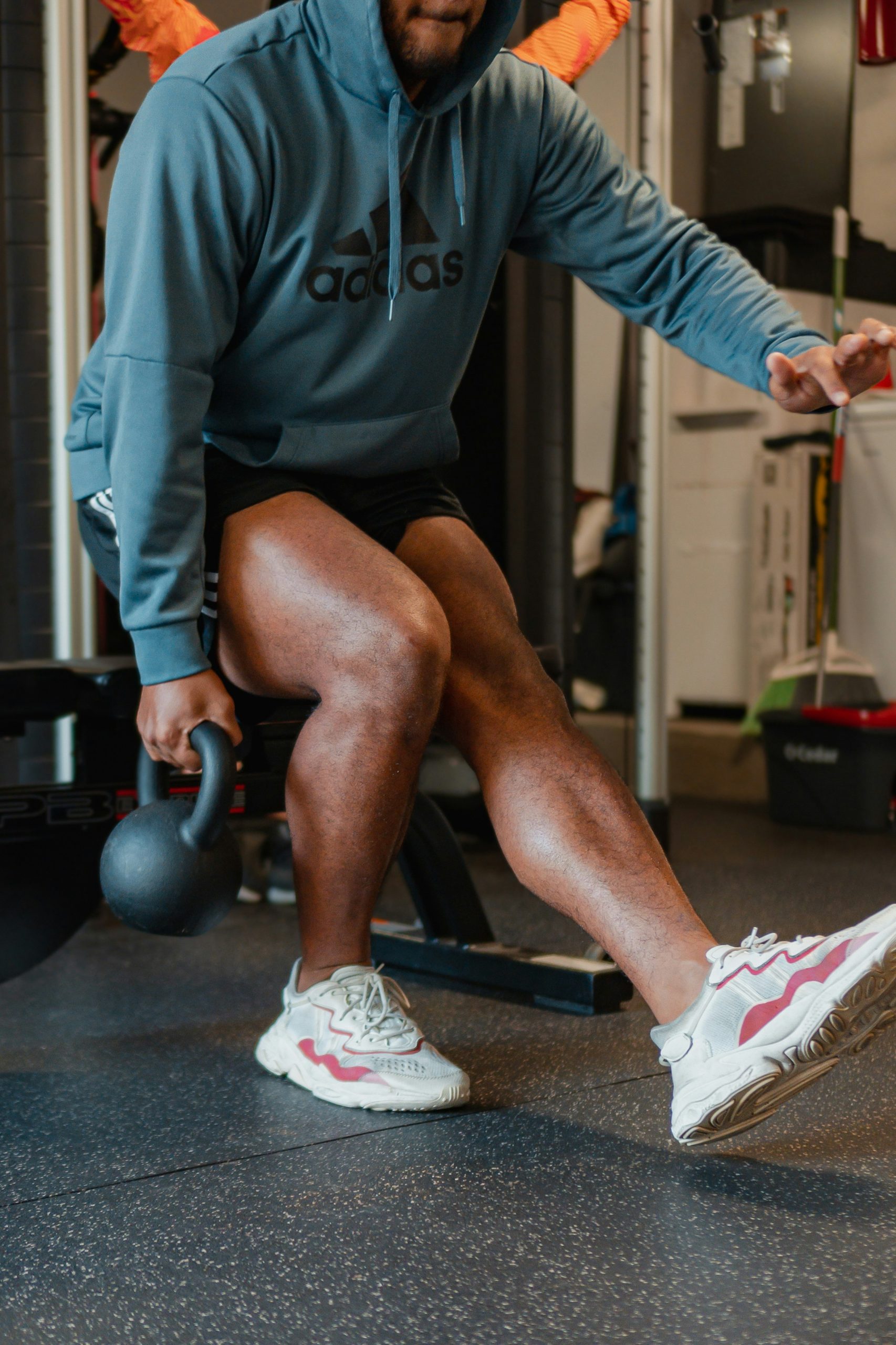
Stand with your feet shoulder-width apart. Bend your knees slightly, and keep them in line with your toes. Then return to standing. Ten repetitions build thigh and glute strength.
4. Step-ups.
Step onto a low step, then lower back down with control. Use a rail for balance if you need it. This movement mimics stairs, so it’s very practical.
5. Glute bridge
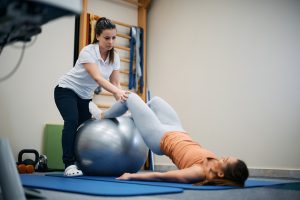
Lie on your back with your knees bent and lift your hips. Strong glutes help keep the knee properly aligned.
6. Calf raises
Rise onto your toes and lower slowly. Strong calves support the knee during walking and running.
Tips for Exercising with Knee Pain
Keep these points in mind:
- Warm up with a short walk
- Avoid deep, painful bending at first
- Increase intensity slowly
- Exercise consistently, ideally three to four times each week
Low-impact options such as cycling, swimming and water walking are also excellent choices.
When to Seek Help
See a doctor if your knee feels hot, swollen or locked. Likewise, seek advice if it gives way or if pain follows an injury. You should also get persistent pain that doesn’t improve checked.
The Value of an Exercise Physiologist
Every knee is different. An exercise physiologist identifies why your knee hurts, then prescribes exercises that match your condition and goals. Moreover, they check your technique and progress your program safely. This personalised guidance often leads to faster, longer-lasting results.
Move Better, Feel Better
You don’t have to live with ongoing knee pain. Book a consultation with JY Exercise Physiology and take the next step toward stronger, happier knees.
At JY Exercise Physiology in Upper Mount Gravatt, Brisbane South, we specialise in evidence-based exercise programs for injury rehabilitation, chronic pain management, and general workplace wellness for all ages and abilities. Whether you have been dealing with knee pain for weeks or years, we are here to help you get back to doing what you love.
 147 Lumley Street, Upper Mount Gravatt QLD 4122, also offering home visits across Brisbane South including Sunnybank, MacGregor, Wishart, Runcorn, Eight Mile Plains and Surrounding areas.
 Call or text: 0421 967 711
 Email: admin@jyexercisephysiology.com
Learn more here: Tailored Exercise Programs
Medicare CDM, NDIS, DVA, WorkCover QLD, Private Health and Other Insurances accepted. No referral required for private clients.